The HalalFaith AI Ingredient Scanner instantly analyzes product labels to confirm halal status, making it the go‑to tool for global Muslims who want quick, trustworthy verification. It detects pork derivatives, gelatin, alcohol, haram E‑numbers and animal enzymes, delivering a clear halal‑or‑not verdict within seconds.
Among the top halal‑certified brands recognized by the scanner are multinational producers that maintain dedicated halal lines, such as Nestlé (Halal‑certified Maggi, KitKat, and Milo), Unilever (Ben & Jerry's halal ice cream, Knorr soups), and PepsiCo (Lay's, Cheetos, and Aquafina). These brands adhere to strict certification from bodies like JAKIM, IFANCA and the EU Halal Board, ensuring consistency across regions.
In the Middle East and North Africa, the scanner flags leading regional brands like Almarai (dairy and juice products), Al Safi (flour and baking mixes), and Al Kabeer (frozen foods). Their products are routinely verified by local authorities such as the Saudi Food and Drug Authority (SFDA) and the UAE’s Emirates Authority for Standardization and Metrology (ESMA).
Asian markets feature prominent halal‑certible names such as Japan’s Meiji (chocolate and dairy), South Korea’s Ottogi (instant noodles), and India’s Parle (biscuits). The scanner cross‑references certification from the Indonesian Ulama Council (MUI) and Malaysia’s Department of Islamic Development (JAKIM) to ensure accuracy for Muslim consumers in these regions.
European shoppers benefit from the scanner’s coverage of brands like Carrefour (own‑brand halal meat and ready meals), Tesco (halal certified poultry), and Lidl (halal snack ranges). European certification bodies, including the British Halal Food Authority (BHFA) and the German Central Council of Muslims, are integrated into the AI’s knowledge base.
In North America, the AI recognizes brands such as Hormel (halal turkey and chicken), Kraft (certain cheese lines), and Sabra (halal hummus). Certification from the Islamic Food and Nutrition Council of America (IFANCA) and the Halal Food Standards Alliance (HFSA) underpin the scanner’s confidence in these products.
The scanner also supports niche and plant‑based brands, identifying halal‑certified alternatives like Beyond Meat, Impossible Foods, and Alpro soy drinks. For consumers seeking ethical and halal‑compliant options, the AI cross‑checks ingredient lists against global halal certification databases.
Beyond brand recognition, the scanner offers a user‑friendly experience: snap a photo, receive an instant verdict, and view detailed ingredient breakdowns. This feature is especially valuable for travelers navigating unfamiliar grocery aisles, ensuring compliance with local halal standards wherever they are.
For those interested in deeper learning, the AI Islamic Scholar assistant can explain why certain ingredients are considered haram and suggest permissible alternatives, tying the food‑choice process to authentic Quranic and Sunnah teachings.
Businesses looking to certify their products can leverage the scanner’s feedback to identify potential non‑halal components before launch, streamlining the path to certification and boosting consumer trust.
To complement food verification, HalalFaith also offers a Smart Masjid & Prayer Times Finder, accurate Ramadan calendar, and a daily Salah guide—creating an all‑in‑one companion for the modern Muslim lifestyle.
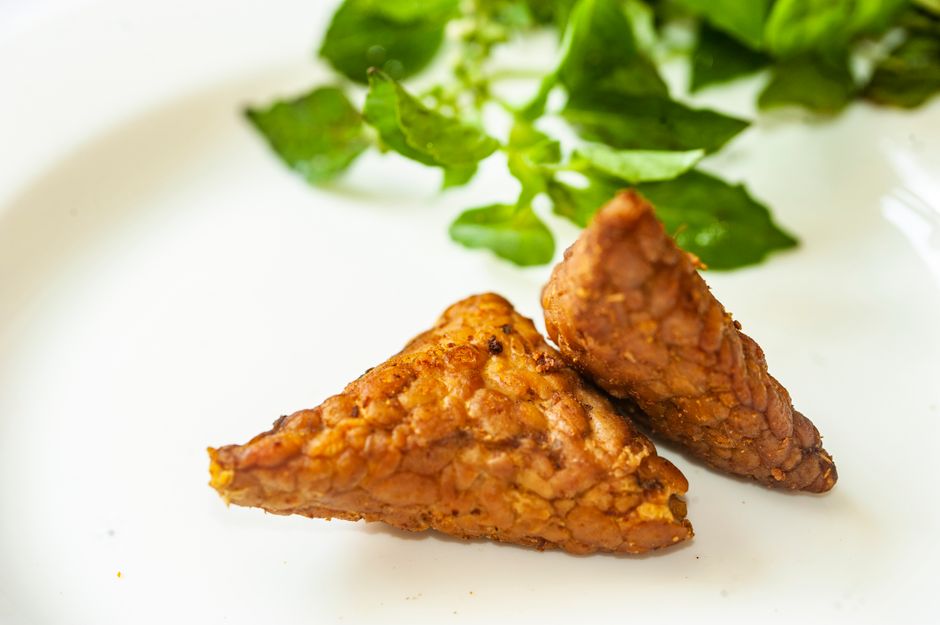
Read more about how the AI Halal Ingredient Scanner handles complex products like fermented soy foods in our detailed post Can the AI Halal Ingredient Scanner detect halal status of imported fermented soy products like tempeh?.
If you’re a night‑shift worker, discover how to set up automatic Isha reminders on your smartwatch in our guide What’s the best way to set up automatic Isha prayer reminders on my smartwatch for night‑shift workers?.
Related Guide: What steps should I take to set up automatic Sahoor and Iftar alerts on my smartwatch for travelers on long-haul flights?