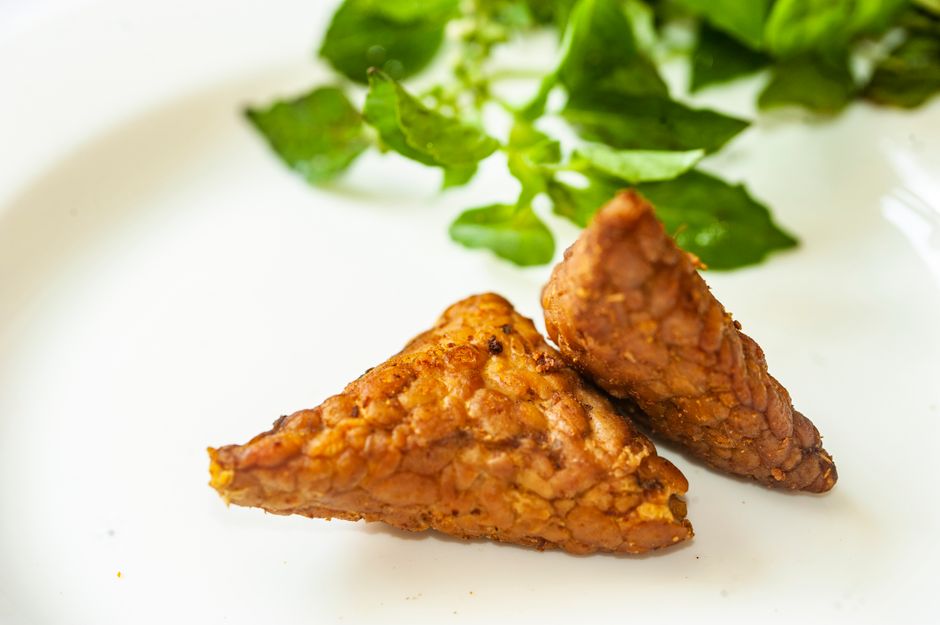
The short answer: HalalFaith’s AI Halal Ingredient Scanner can detect the halal status of imported fermented soy products like tempeh by scanning the label for pork‑derived ingredients, haram E‑numbers, alcohol, gelatin, and animal enzymes, and then cross‑checking known halal certification logos. However, because fermentation can involve hidden microbial cultures, users should also confirm the product’s certification or manufacturer’s halal statement for absolute certainty.
Fermented soy foods present a unique challenge for any ingredient‑checking tool. Tempeh is traditionally inoculated with Rhizopus mold, which is halal, but some commercial brands may add flavor enhancers, preservatives, or enzymes derived from animal sources. The AI Halal Ingredient Scanner uses computer‑vision to read every printed element on the packaging—ingredient list, allergen warnings, and certification logos—and instantly flags any prohibited items. This rapid analysis is especially valuable for global Muslims shopping online or in multicultural supermarkets across the USA, Canada, UK, Europe, Australia, and the Middle East.
When the scanner encounters a label that mentions “fermented soy” or “tempeh,” it automatically searches for keywords like “gelatin,” “alcohol,” or “E‑number” that are commonly haram. If such terms appear, the app highlights them in red and provides a brief explanation of why they are problematic. For products that list only soy, water, and mold culture, the scanner will typically return a “potentially halal” status, prompting the user to look for an official halal certification logo—something the app recognizes from its extensive database of globally accepted symbols.
Because not every batch of tempeh carries a visible halal logo, the AI also offers a secondary check: it cross‑references the manufacturer’s database for any known halal certifications or prior user reports. If the product is imported from a region with differing halal standards, the app may advise users to verify the certification through the producer’s website or contact local halal authorities. This layered approach mirrors best practices for international halal compliance, especially when dealing with products that travel across multiple time zones and regulatory regimes.
For Muslims who need a quick, reliable answer while on the go, the scanner’s mobile‑friendly interface works offline after an initial download of label‑recognition models, ensuring that even in remote locations—such as a workplace kitchen in Dubai or a university cafeteria in London—users can make informed decisions. Pair this capability with HalalFaith’s Smart Masjid & Prayer Times Finder to locate a nearby masjid for a quick break, or consult the AI Islamic Scholar assistant for deeper questions about fermentation and halal jurisprudence.
In practice, the AI Halal Ingredient Scanner is a powerful first line of defense, but it should be complemented by personal due diligence. When in doubt, refer to the What are the most reliable halal certification logos that the HalalFaith AI scanner recognizes worldwide? guide or seek clarification from a trusted halal authority. By combining cutting‑edge AI with traditional verification, global Muslims can enjoy the nutritional benefits of tempeh without compromising their faith.