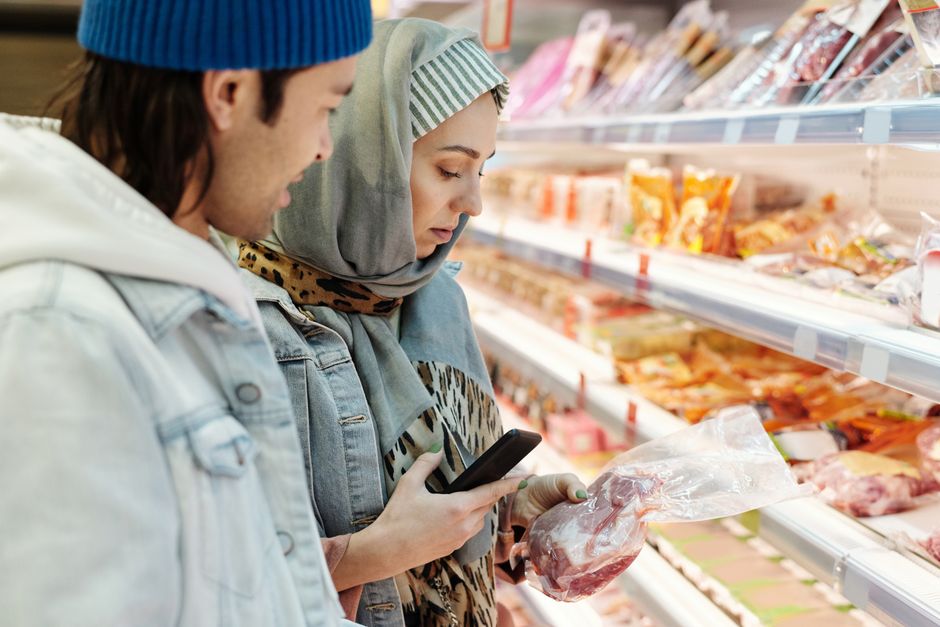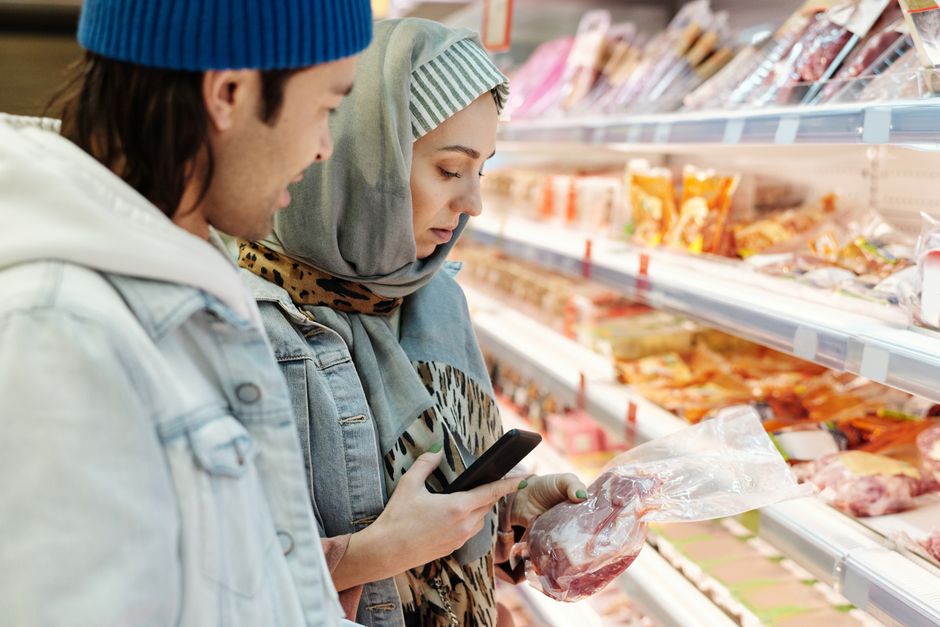
The short answer: HalalFaith’s AI Halal Ingredient Scanner is trained to recognize the most credible halal certification logos worldwide, including JAKIM (Malaysia), MUIS (Singapore), HFA (Europe), ISNA (USA), GFA (UK), MUI (Indonesia), and the global Halal International Standard (HIS) mark, delivering instant, reliable verification for any product label.
Halal certification logos serve as visual guarantees that a product meets stringent halal standards, but their reliability varies by issuing authority. The most widely respected bodies—such as Malaysia’s Department of Islamic Development (JAKIM) and Singapore’s Islamic Religious Council (MUIS)—apply rigorous auditing, traceability, and on‑site inspections, making their logos a top priority for the HalalFaith scanner.
In Europe, the Halal Food Authority (HFA) and the European Halal Certification (EHC) have emerged as the leading certifiers, adhering to EU food safety regulations while integrating Islamic dietary requirements. HalalFaith’s image‑recognition model includes these logos, ensuring that European consumers can shop with confidence across the EU, UK, and beyond.
North American Muslims often rely on certifications from the Islamic Society of North America (ISNA) and the Halal Certification Services (HCS) in the United States and Canada. Both organizations maintain transparent audit trails and are recognized by major retailers, which the AI scanner cross‑checks against product ingredient databases for added accuracy.
The Gulf Cooperation Council (GCC) countries, notably Saudi Arabia’s SFDA and the Emirates Authority for Standardization and Metrology (ESMA), issue logos that reflect strict compliance with local Shariah boards. HalalFaith’s training data includes these Gulf logos, enabling users in the Middle East to instantly validate imported goods.
Southeast Asian markets are dominated by Indonesia’s Majelis Ulama Indonesia (MUI) and Thailand’s Central Islamic Council (CIC) certifications. Their logos are embedded in the scanner’s library, supporting the region’s massive halal food export industry and helping travelers verify meals abroad.
Beyond regional bodies, the global Halal International Standard (HIS) logo, managed by the International Halal Accreditation Forum (IHAF), offers a unified benchmark for multinational manufacturers. HalalFaith’s AI gives this logo special weighting, recognizing its cross‑border credibility.
The scanner doesn’t just stop at logo detection; it also cross‑references the encoded batch numbers and QR codes often embedded in modern packaging. This dual verification—visual logo plus digital traceability—boosts confidence for users checking frozen meal kits, herbal supplements, or vitamin products, as explored in our guide on how to use the HalalFaith AI scanner to verify the halal status of frozen meal kits.
For Muslims on the move, the AI companion integrates the smart masjid and prayer times finder, so after confirming a product’s halal status, users can quickly locate nearby prayer facilities. Learn more about leveraging this feature for remote workers in large office campuses in our post on how can remote workers use the smart masjid finder to locate prayer spaces in large office campuses.
In summary, HalalFaith’s AI scanner recognizes a curated set of globally respected halal certification logos—JAKIM, MUIS, HFA, ISNA, GFA, MUI, ESMA, SFDA, and the HIS mark—providing Muslim consumers worldwide with swift, trustworthy verification that aligns with both local and international halal standards.
Related Guide: How can the HalalFaith AI scanner help me choose halal-certified plant-based cosmetics for sensitive skin?