A Ramadan AI calendar provides real‑time, location‑aware sahoor and iftar countdowns that automatically adjust for irregular work hours, travel, and time‑zone changes, ensuring users never miss a meal or prayer. It delivers push notifications, customizable fasting windows, and seamless sync with phone calendars, all in one unified view.
For professionals with rotating shifts, the calendar uses AI to predict the next available fasting window based on their work roster. By linking to corporate or personal scheduling apps (e.g., Outlook, Google Calendar), it highlights which days are feasible to fast fully, which may require a make‑up fast, and suggests optimal prayer times for each shift.
Travelers and remote workers benefit from the platform’s global time‑zone engine. When a user crosses a border, the AI instantly recalculates sahoor and iftar times for the new location, factoring in local sunrise and sunset data, and updates the adhan audio feed from both Makkah and Madina, so the user experiences authentic calls regardless of where they are.
The AI‑driven Ramadan calendar integrates with the Smart Masjid & Prayer Times Finder, letting users locate nearby mosques that match their current location or preferred city. The finder also shows which masjid follows the Makkah or Madina calculation method, helping users choose a schedule that aligns with their workplace or travel constraints.
Customization is key for irregular schedules. Users can set personal alerts—such as a 10‑minute pre‑sahoor reminder or a 5‑minute pre‑iftar notification—delivered via SMS, push, or email, using USD‑based pricing for premium notification tiers if they choose to upgrade. The free tier still offers basic alerts for all global users.
The calendar’s countdown timers are visually distinct for daytime fasting and nightly prayer windows. For shift workers who may be awake during typical fasting hours, the UI shows a “flex‑fast” mode that highlights permissible drinking or eating windows based on the user’s chosen madhhab, ensuring compliance without sacrificing work performance.
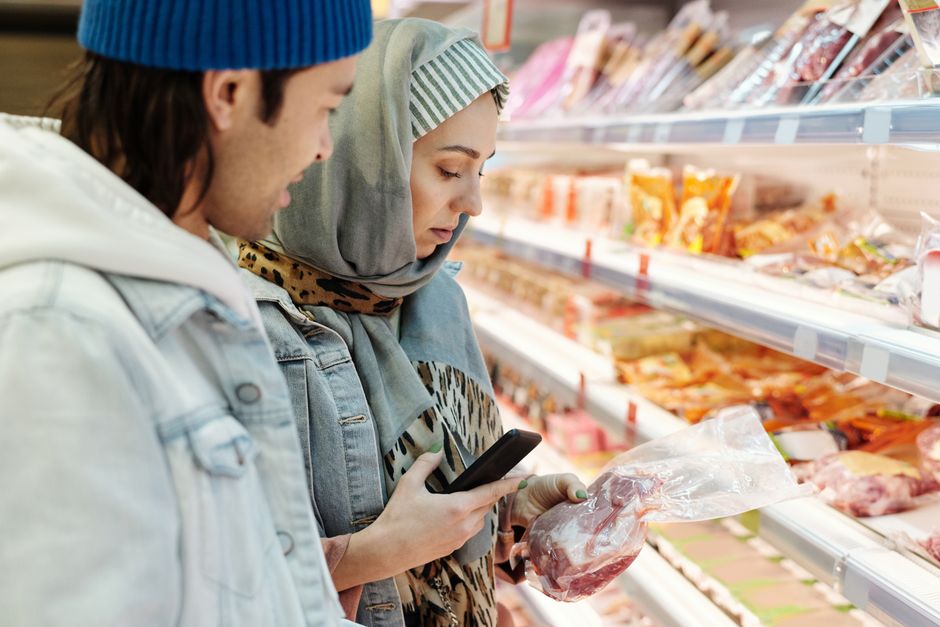
To support health‑conscious users, the platform links to the AI Halal Ingredient Scanner. Before sahoor, users can quickly scan packaged foods to verify halal status, preventing accidental consumption of haram ingredients during the limited pre‑dawn meal.
For those who prefer a community approach, the calendar syncs with HalalFaith’s social feed, where users share tips on managing fasting while on night shifts, recommend halal‑friendly meal prep ideas, and discuss the jurisprudence of making up missed fasts. This feature aligns with the broader AI Islamic Scholar assistant, which can answer specific fiqh questions about fasting on irregular schedules.
Integration with popular global ATS platforms (Workday, Greenhouse, Lever, Taleo) means HR departments can embed the Ramadan calendar into employee portals, offering a respectful workplace accommodation tool that automatically respects local prayer times and fasting windows for a diverse, international workforce.
The AI also provides a “Ramadan mode” for smartphones, automatically switching the device to dark theme at Maghrib, silencing non‑essential notifications during prayer, and dimming screen brightness during sahoor to preserve sleep cycles for those on night shifts.
Because daylight hours vary dramatically across regions, the calendar includes a built‑in calculator that explains the difference between the Makkah and Madina prayer time methods for any city, helping users understand why their local masjid schedule may differ. See more on this topic in our guide on what is the difference between the Makkah and Madina prayer time calculations for a specific city.
Finally, the Ramadan AI calendar offers an export feature, allowing users to download a .ics file that can be imported into any calendar app, ensuring their fasting schedule travels with them across devices and platforms, whether they are in the USA, UK, Australia, or the Middle East.
Related Guide: How does an AI halal ingredient scanner detect hidden animal enzymes in packaged foods?