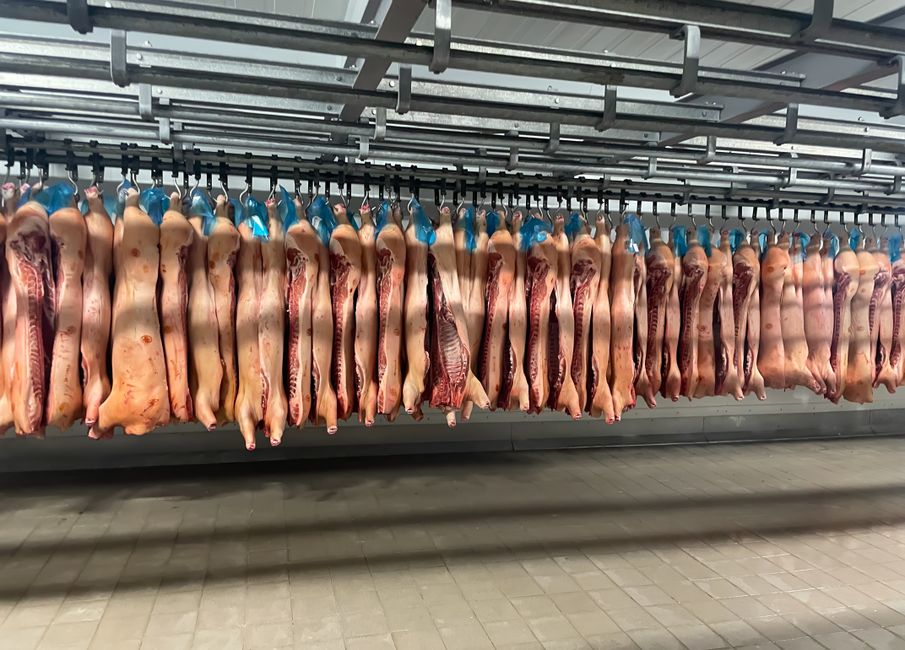
When you ask, "What are the most common animal enzymes flagged by AI halal scanners?", the answer is: AI-powered halal ingredient scanners typically identify enzymes such as rennet, pepsin, lipase, trypsin, and bromelain, because these can be sourced from pork or non‑halal animals. The AI analyzes product labels, ingredient lists, and even barcode data in real time to spot these substances, providing a quick, reliable halal status check.
Understanding why these enzymes matter starts with their origins. Rennet, often used in cheese making, is traditionally extracted from the stomach lining of calves. Pepsin and trypsin are digestive enzymes harvested from the stomachs and pancreas of pigs or cattle. Lipase, which breaks down fats, can be derived from animal pancreas tissue, while bromelain, a protease from pineapple stems, is sometimes mixed with animal‑derived co‑enzymes for industrial stability.
The AI Halal Ingredient Scanner offered by HalalFaith leverages computer vision to read the tiny print on packaging, cross‑referencing each detected term with an up‑to‑date halal database. When it encounters "rennet" or its synonyms (e.g., "microbial rennet" flagged as potentially animal‑based), the system instantly alerts the user, displaying the source‑type risk and offering halal alternatives where available.
Beyond the five headline enzymes, the scanner also catches less obvious contributors such as chymosin, carboxypeptidase, and proteases listed under technical names like "enzyme‑treated" or "hydrolyzed" ingredients. These can hide animal origins, especially in processed meats, confectionery, and bakery products. The AI's pattern‑recognition algorithms have been trained on thousands of global label variations, making it adept at spotting even cryptic E‑numbers linked to animal enzymes.
Why does the source matter? In Islamic jurisprudence, any enzyme derived from a non‑halal animal or from a haram slaughter method renders the food haram, unless the enzyme is completely transformed ("istihala") and loses its original properties. The AI Islamic Scholar assistant on HalalFaith can explain the nuanced rulings for each enzyme, helping users understand when a transformation might be acceptable.
For travelers and remote workers juggling multiple time zones, the AI scanner integrates seamlessly with the Smart Masjid & Prayer Times Finder. When you scan a snack at the airport, the platform not only flags the enzyme but also suggests nearby halal eateries and displays the next prayer time, ensuring you stay compliant without missing Salah.
The Ramadan AI Calendar further complements the scanner during the holy month. If you discover a hidden enzyme in a pre‑packaged sahoor item, the calendar instantly adjusts your fasting schedule, providing a countdown to iftar and a reminder to replace the product with a verified halal alternative.
Many users wonder whether the scanner can differentiate between animal‑derived and microbial‑derived enzymes. While the AI flags all mentions of "rennet" or "enzyme‑treated," it also pulls data from ingredient manufacturers to identify when a product uses microbial or plant‑based substitutes, reducing false positives and giving you a clearer picture.
If you need deeper scholarly insight, the AI Islamic Scholar assistant can cite relevant Hanafi or Shafi’i opinions on each enzyme, linking to resources like the article How does an AI Islamic scholar assistant help users understand the difference between Hanafi and Shafi’i rulings on halal certification?. This contextual support empowers you to make informed decisions aligned with your school of thought.
Finally, remember that the platform is free and community‑driven, offering a mobile‑first experience for Muslims worldwide—from New York to Dubai, London to Sydney. By combining accurate enzyme detection, real‑time prayer guidance, and scholarly explanations, HalalFaith provides a comprehensive, trustworthy companion for modern halal living.
Related Guide: What is the process for verifying halal status of new food products using AI?