Direct Answer: Common food additives such as soy lecithin and carrageenan are considered halal if they are derived from plant sources or permissible animal origins and processed without the use of pork, alcohol, or haram enzymes; otherwise, they may be haram. Verification through an AI halal ingredient scanner or scholarly consultation is essential.
Understanding the origin of each additive is the first step in determining its halal status. Soy lecithin is typically extracted from soybeans, a plant‑based source, making it generally permissible. However, some manufacturers use animal‑derived lecithin, which can introduce haram elements, especially if it comes from pork or non‑halal slaughtered animals.
Carrageenan, a seaweed‑derived thickening agent, is naturally plant‑based and therefore halal by default. Yet, the processing environment matters: if the same equipment is used for non‑halal substances without proper cleaning, cross‑contamination can occur, potentially affecting its halal integrity.
The presence of hidden animal derivatives in additives is a common concern. Many food labels list E‑numbers such as E471 (mono‑ and diglycerides) or E472 (esterified fatty acids), which may be derived from animal fats. To ensure compliance, users should employ tools like the AI Halal Ingredient Scanner to instantly identify the source of each component.
In jurisdictions with strict halal certification, reputable certifying bodies examine supply chains, from raw material extraction to final processing. Look for certification logos from recognized agencies on product packaging; however, remember that not all certifications are equal, and some may not cover every additive used in a product.
When traveling or shopping in multicultural markets, the "find masjid near me" feature can guide you to nearby halal-friendly stores or community resources that can confirm product halal status. Engaging local scholars via the AI Islamic Scholar assistant can also provide region‑specific rulings, especially for new or ambiguous additives.
For consumers who prefer a DIY approach, understanding the biochemical pathways helps. Soy lecithin is a phospholipid mixture; if it’s extracted using solvents like hexane, the solvent itself is halal, but the source must still be plant‑based. Carrageenan is harvested from red seaweed and typically undergoes alkaline extraction, a process free from animal inputs.
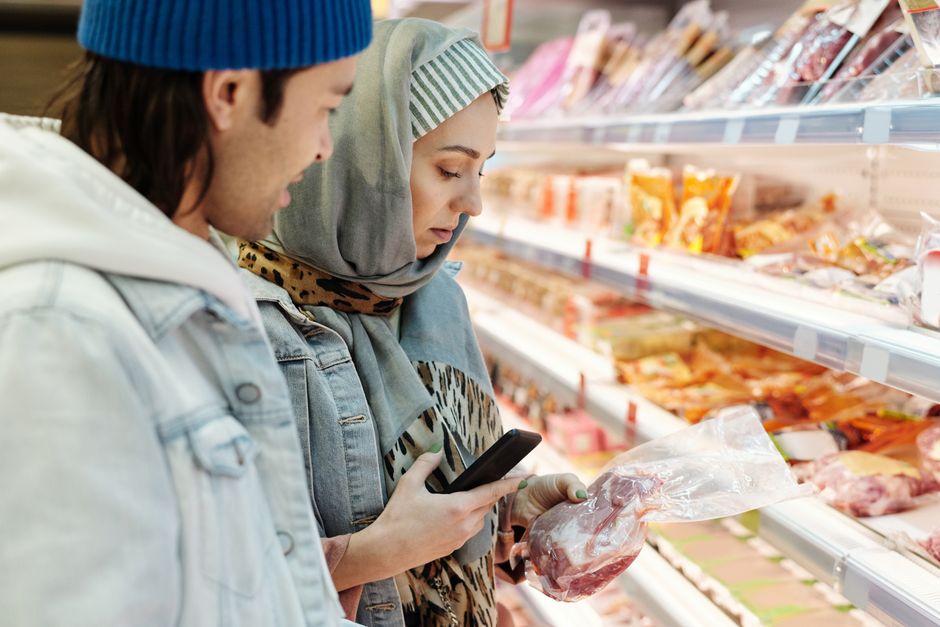
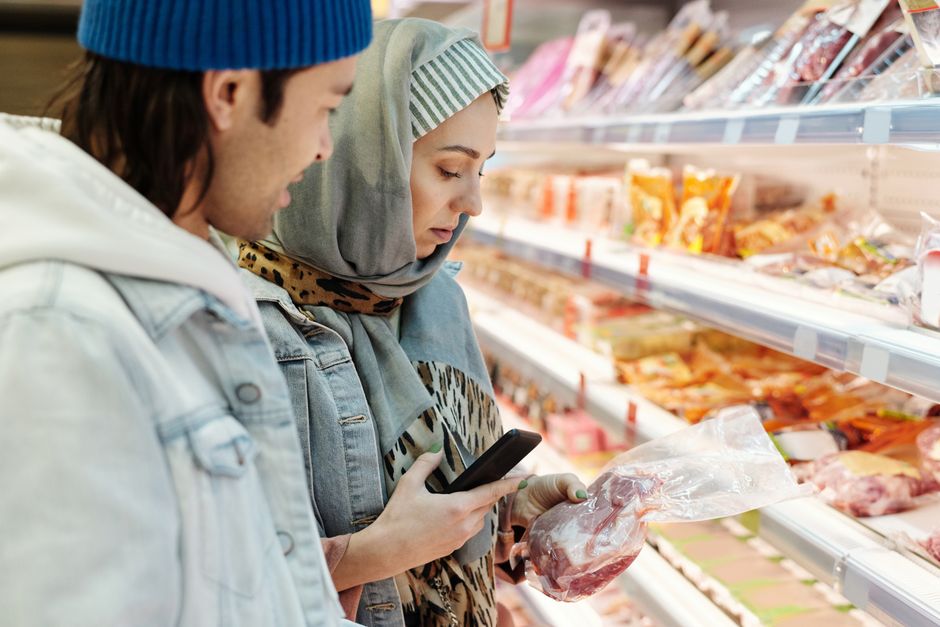
If you encounter a product with ambiguous labeling, the AI Halal Ingredient Scanner can analyze the label image in seconds, highlighting potential haram flags such as "gelatin" or "animal enzymes." This feature also cross‑references a global database of ingredient sources, providing a confidence score for each additive.
Beyond individual ingredients, consider the overall product formulation. Some foods combine multiple additives, and while each might be halal on its own, the final product could be rendered haram if it contains a non‑halal component like pork‑derived flavoring. The AI companion platform can evaluate the entire label to give a holistic halal assessment.
During Ramadan, precise timing for Sahoor and Iftar is crucial. Using the Ramadan AI Calendar ensures you break your fast with verified halal foods. The calendar integrates with the ingredient scanner, allowing you to plan meals that are both nutritionally balanced and religiously compliant.
For those new to Islamic dietary laws, the step‑by‑step Salah guide and prayer time calculator can be accessed alongside the ingredient scanner, creating an integrated daily routine that aligns worship with wholesome, halal eating habits.
In summary, soy lecithin is generally halal when plant‑derived, carrageenan is naturally halal as a seaweed product, and the key determinants are source transparency and processing purity. Leveraging AI tools, certified labels, and scholarly advice ensures confidence in your dietary choices across global markets.
Related Guide: What is the difference between the Makkah and Madina prayer time calculations for a specific city?