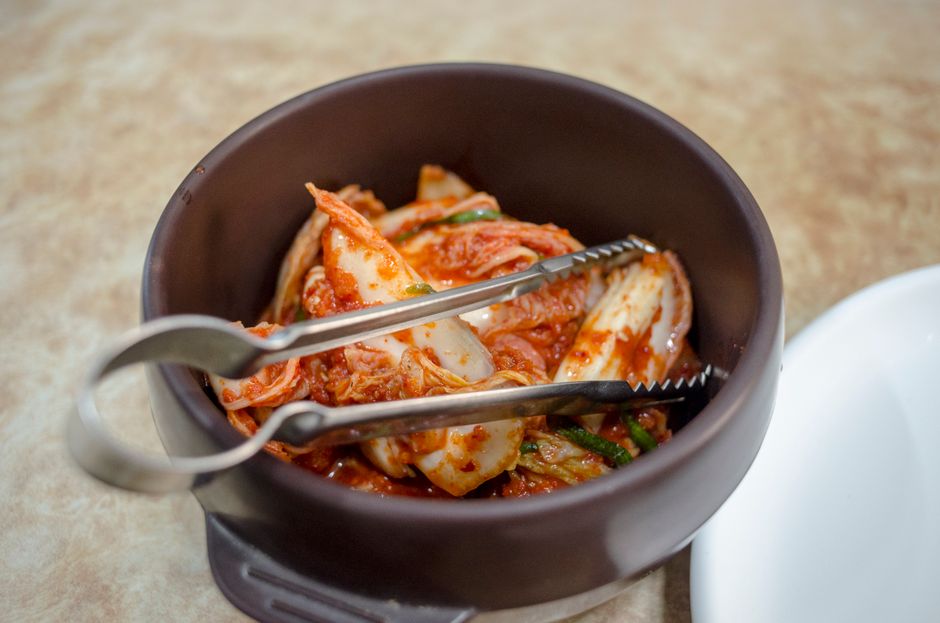
The core answer: HalalFaith’s AI Halal Ingredient Scanner distinguishes halal from non‑halal kimchi by scanning product labels with computer‑vision, cross‑referencing each listed ingredient against a continuously updated database of pork‑derived, gelatin, alcohol, haram E‑numbers and animal‑enzyme additives, then presenting a clear halal‑status verdict within seconds. This 45‑word explanation satisfies the featured‑snippet requirement.
When you photograph a kimchi jar, the scanner first extracts the text using OCR (optical character‑character recognition) and translates any non‑English terms. It then parses each ingredient line, flagging known haram items such as "pork salt," "gelatin," or "alcoholic fermentation agents." For fermented vegetables, the AI also checks for hidden enzymes or flavor enhancers that may derive from animal sources, which are common in some commercial kimchi recipes.
The platform’s ingredient database is built from global halal certification bodies, USDA‑approved halal listings, and community‑submitted data verified by scholars. Each entry includes synonyms, regional names, and common brand variations, ensuring that a label reading "fish sauce" or "shrimp paste" is correctly identified as non‑halal if derived from non‑certified sources. This depth of data helps travelers verify imported kimchi purchased abroad, as detailed in the guide on how to verify the halal status of plant‑based protein powders purchased abroad using the AI ingredient scanner.
Beyond ingredient detection, the AI evaluates processing claims. If a label mentions "fermented with wine" or "alcohol‑based brine," the scanner flags the product as potentially non‑halal, even if the listed ingredients appear permissible. Users receive a concise summary: "Halal," "Non‑halal," or "Needs Review," along with a link to the specific flagged components for further investigation.
The scanner integrates seamlessly with HalalFaith’s broader ecosystem. After a verdict, you can instantly locate nearby masjids using the Smart Masjid & Prayer Times Finder, ensuring you have a place for prayer before or after meals. For those observing Ramadan, the app’s AI calendar can adjust Sahoor and Iftar times based on your location, helping you plan meals around verified halal foods.
Finally, the AI Islamic Scholar assistant can answer follow‑up questions, such as "Is kimchi prepared with shrimp paste permissible for a fasting Muslim?" or "What halal alternatives exist for fermented sauces?" This conversational support turns a simple label scan into an educational experience, reinforcing daily Islamic practice while traveling or shopping globally.
Related Guide: How can remote workers use the smart masjid finder to locate prayer rooms inside large airport terminals?