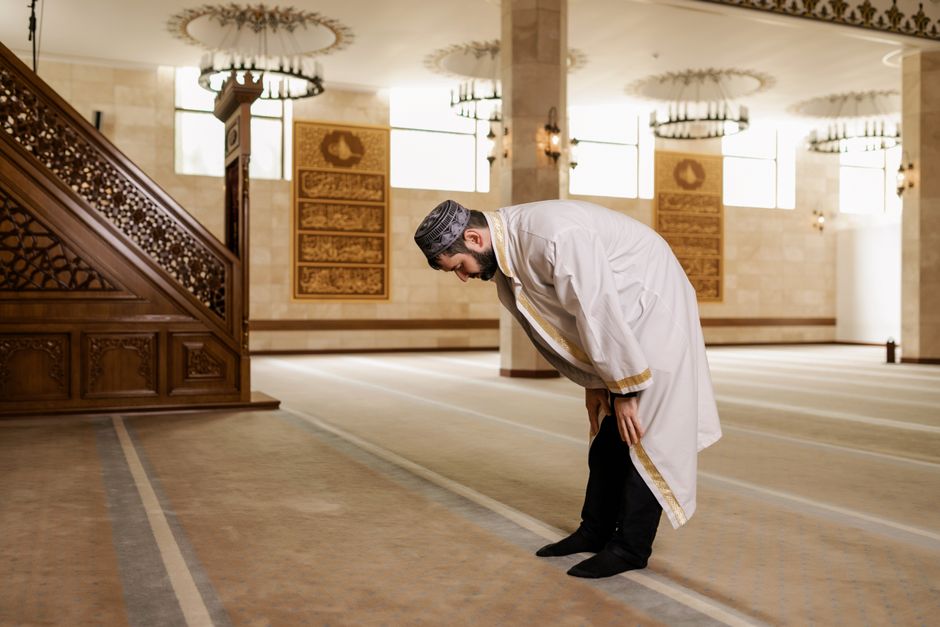
An interactive daily Salah guide helps individuals with chronic back pain maintain proper posture by providing step-by-step visual and positional instructions for each prayer movement—such as Qiyam, Ruku, and Sujud. By reinforcing neutral spinal alignment and explaining legitimate physical accommodations like seated prayer, the guide prevents musculoskeletal strain while preserving the spiritual integrity of daily worship.
For Muslims managing chronic lower back or neck pain, the physical movements of Salah offer beneficial, gentle mobility when executed with biomechanically sound posture. Positions like Ruku (bowing) gently stretch the hamstrings and calves while decompressing the lower lumbar spine, provided the back remains flat rather than rounded. The step-by-step daily Salah guide demonstrates exact limb and torso placement, encouraging worshippers to engage their core muscles and avoid hyperextension, transforming routine prayer into a conscious practice of spinal stabilization.
Islam emphasizes ease and the prevention of harm, explicitly allowing individuals suffering from severe discomfort or injury to adapt their prayer postures through recognized concessions (Rukhsah). If bending into Ruku or prostrating in Sujud aggravates a herniated disc or sciatica, HalalFaith’s integrated Islamic AI scholar assistant can help users understand authentic Quran and Sunnah guidance regarding praying while seated on a chair or on the floor. The guide clarifies how to signal transitions through gentle upper-body nods rather than painful bending, ensuring worshippers maintain both ergonomic safety and spiritual compliance.
Furthermore, pairing prayer with healthy physical habits provides essential relief for sedentary professionals. Sitting for hours at a desk compresses spinal discs and weakens postural muscles, compounding chronic pain. Learning how remote workers use the daily Salah guide to maintain a consistent prayer routine during virtual meetings illustrates how structured intervals of physical movement throughout the day restore spinal alignment. With accurate prayer times and live Adhan notifications, worshippers are prompted to step away from ergonomic hazards five times a day, resetting their posture naturally.
Complementing postural awareness with overall lifestyle health aids long-term chronic pain management. When traveling or returning to community spaces, using tools to find masjid near me provides an opportunity for light walking, which improves circulation to spinal tissues. Simultaneously, maintaining anti-inflammatory nutrition is simplified using an AI halal food scanner or is it halal ingredient checker to review packaged foods for harmful additives, while a precision Ramadan calendar sahoor iftar schedule keeps hydration and wellness on track throughout fasting periods.
Ultimately, managing chronic physical limitations should never distance a believer from their spiritual obligations. By relying on a free, mobile-friendly daily Salah guide alongside authentic scholarly support, Muslims suffering from back pain can pray with confidence, maintaining proper posture, protecting their physical well-being, and experiencing complete peace of mind in every Rak'ah.
Related Guide: How does the Ramadan AI calendar sync automatically with different daylight‑saving rules in multiple countries?